Mold Removal & Remediation
Help addressing visible mold growth, containment of the affected area, and the moisture conditions that allowed it to develop.
Learn moreGreenville & Upstate South Carolina
Concerned about visible mold, musty odors, crawl-space moisture, or air quality concerns? Tell us what you are seeing and start with an assessment of the property.
A free in-person assessment helps determine the appropriate next steps.
Licensed & Insured
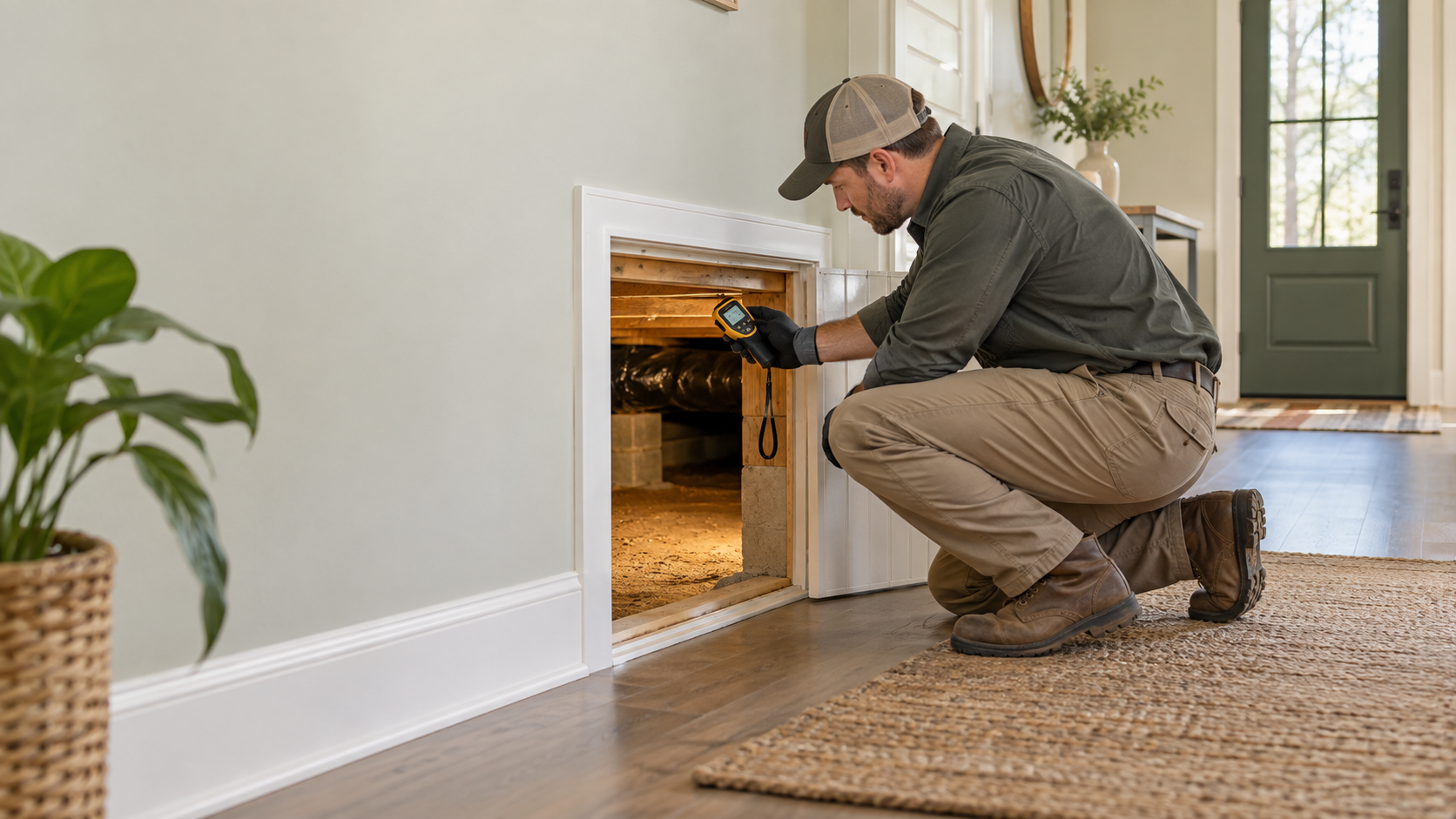
Common indicators
These are conditions that often prompt a homeowner or property manager to request an assessment. None of them confirm mold on their own — an in-person evaluation is what determines what is actually happening.
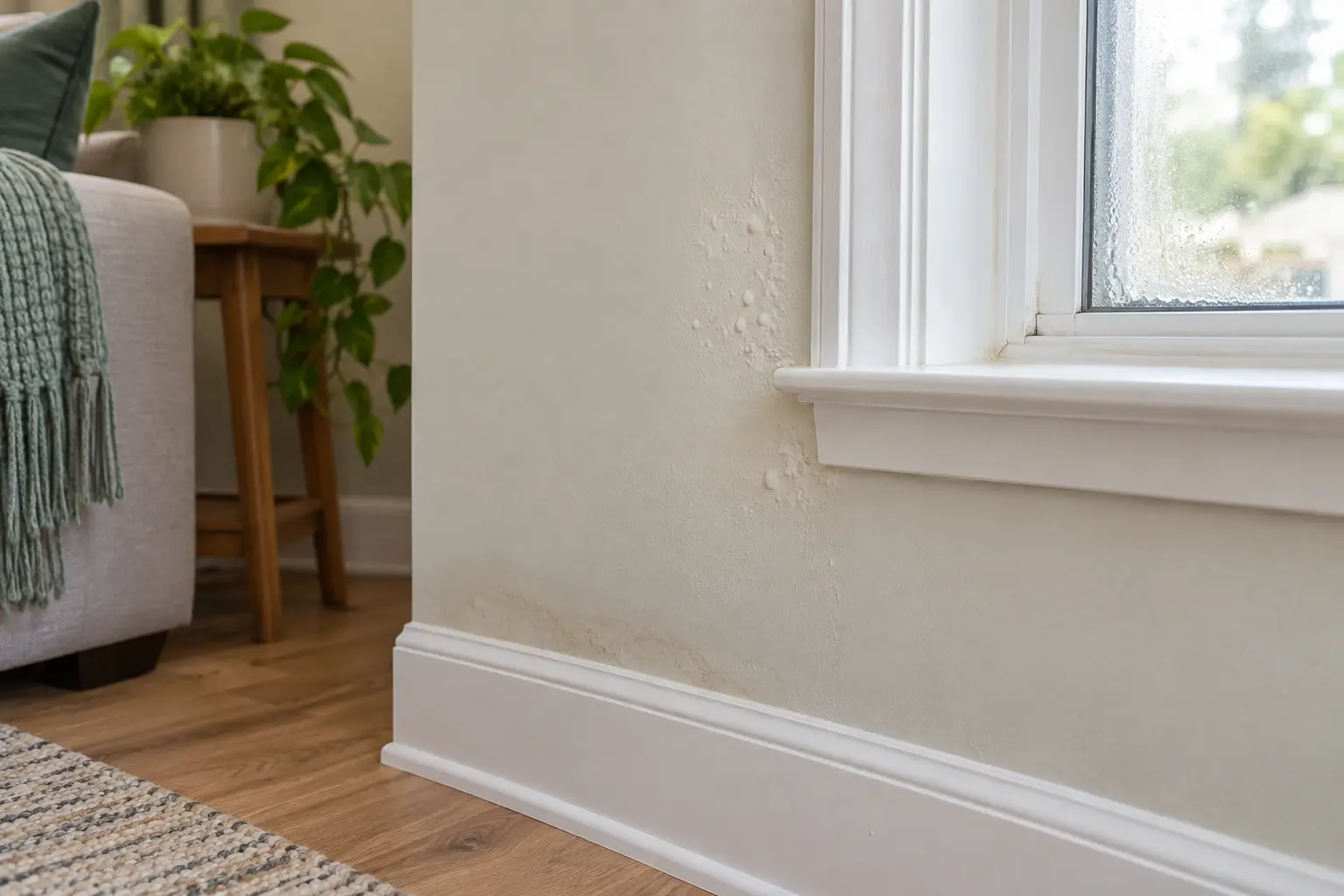
Dark, green, or fuzzy patches on drywall, framing, grout, trim, or stored items.
An earthy or stale smell that keeps returning, especially near vents, closets, or floors.
Standing water, wet soil, sweating ductwork, or insulation sagging away from the subfloor.
Plumbing failures, roof leaks, appliance overflows, or storm water that entered the structure.
Fogged windows, damp walls, or moisture on pipes and duct lines that keeps coming back.
Air that feels heavy or stale in certain rooms without an obvious explanation.
What we help with
Whatever you are dealing with, start by describing it. The appropriate scope of work is determined after an assessment.
Help addressing visible mold growth, containment of the affected area, and the moisture conditions that allowed it to develop.
Learn moreSupport for damp, musty crawl spaces where humidity, ground moisture, or drainage issues contribute to growth on joists and subfloors.
Learn moreAn assessment of what is present, where moisture is coming from, and whether sampling is appropriate for your situation.
Learn moreIndependent indoor air quality and VOC testing for people who want to understand what is in the air in a home or building.
Learn moreApproaches to reducing recurring dampness — vapor barriers, drainage, ventilation, and humidity management.
Learn moreHelp for property managers, landlords, and business owners coordinating assessment and remediation in occupied buildings.
Learn moreWhy the source matters
Wiping away visible growth can make a surface look better without changing the conditions that produced it. Mold needs moisture, so if a leak, drainage issue, or humidity problem is still present, growth commonly returns to the same area.
That is why a thorough approach usually starts with finding where water is coming from, then defining how far the affected area extends before any removal begins.
Plumbing, roofing, grading, ventilation, or humidity — the water has to come from somewhere.
Understanding how far growth extends shapes containment and the scope of the work.
Repairs and moisture control are what keep a treated area from becoming a repeat problem.
How it works
Three steps, from your first description to a recommendation for the property.
Share the basics — what you have noticed, where it is, and what type of property it is. A short description is enough to start.
Your request is passed to a qualified local provider serving the Greenville area so they can follow up with you directly.
The provider evaluates the property, determines what work is appropriate, and explains their recommendations to you.
Local conditions
Greenville sits in a humid part of South Carolina where warm, damp months put steady moisture load on buildings. Air conditioning runs hard for much of the year, and the temperature difference between conditioned interiors and humid outdoor air creates condensation on ducts, pipes, and cool surfaces.
Many Upstate homes are built over vented crawl spaces. When ground moisture, poor drainage, or a missing vapor barrier is involved, that space can stay damp long enough for growth to develop on joists, subfloors, and insulation — often noticed first as a musty smell in the rooms above.
Water intrusion from other directions matters too. Roof leaks, failing supply lines and drain connections, water heaters, washing machines, and heavy storm runoff can all introduce moisture into wall cavities and flooring where it is not immediately visible.
Because building age, construction type, and drainage vary widely across the area, the right response varies too. That is what an in-person assessment is for.
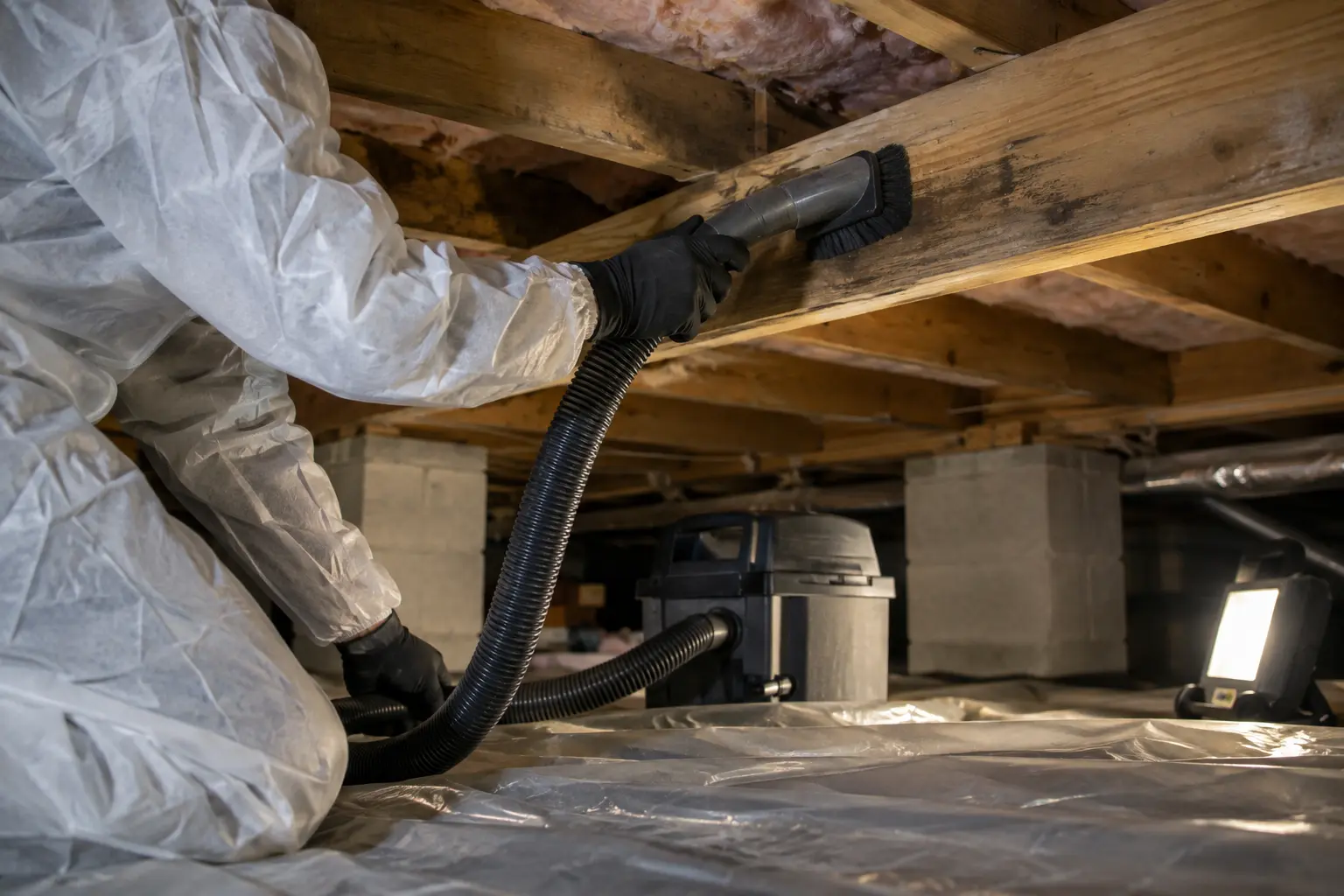
Requests often come from a musty smell that won't go away, a damp crawl space, discoloration after a leak, or a concern raised during a real-estate inspection. Homeowners typically want to understand what is there, what caused it, and what it will take to resolve.
Managers and business owners often need assessment and clear documentation while a building stays occupied — tenant reports, turnover between leases, HVAC-related moisture, or follow-up after a water event. Availability and scope depend on the property and the provider.
Where we help
Availability for a specific property depends on the address, the service needed and the scope of the project. Greenville is the primary market, so coverage is not identical everywhere — include your city or ZIP code with your request.
Share a few details about the property and your concern, and someone can follow up about an inspection.